Connecting Pathways to Opportunity
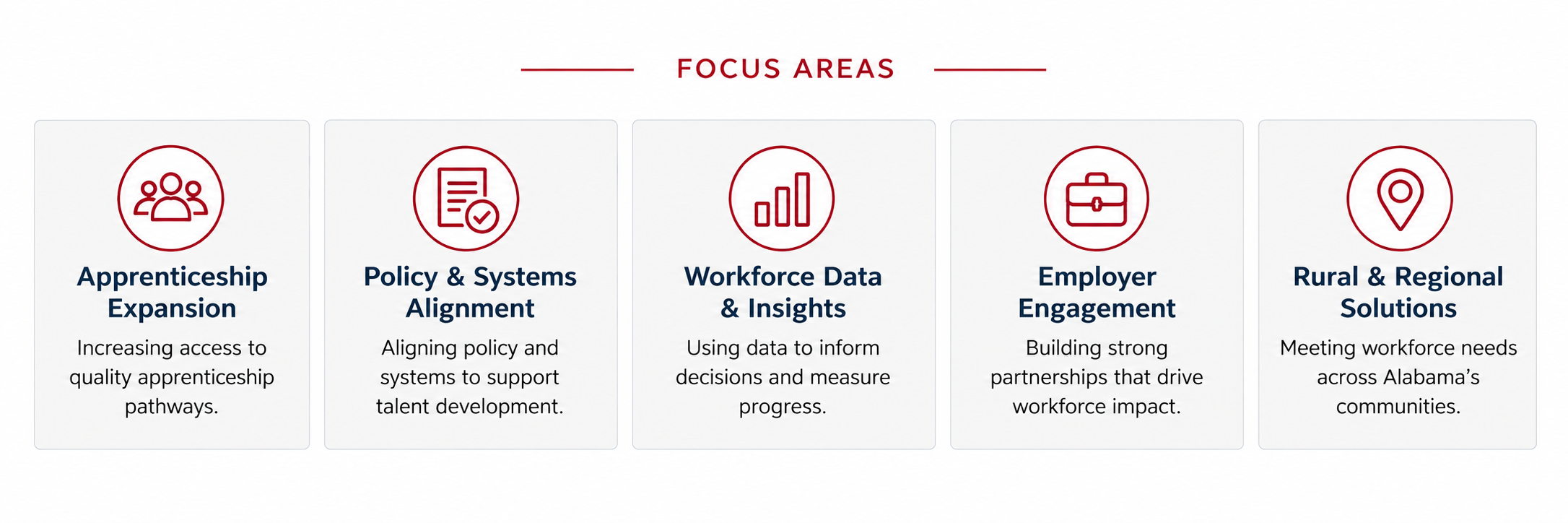
This research explores how apprenticeship can strengthen connections among individuals, higher education, employers, workforce systems, and communities. It examines the policies and systems that make apprenticeship possible, how education and employment are connected, who has access to these opportunities, how participants progress, and whether pathways are aligned with workforce needs in the places where people live and work.
At the center of this work is the opportunity apprenticeship can create for individuals to enter careers, build skills, earn credentials, advance economically, and remain connected to the communities where they live and work. Higher education is a critical part of that pathway, helping translate workforce demand into accessible education, training, and advancement opportunities.
This page brings together a growing research agenda on apprenticeship and workforce alignment. Beginning with research on nursing registered apprenticeship in Alabama, the work will expand over time to examine program design, participation, retention, employer engagement, higher education alignment, and the role of geography in shaping access to education, employment, and advancement opportunities across rural, regional, and urban communities.
Together, this work is designed to deepen our understanding of how apprenticeship pathways are built, who they reach, where they create opportunity, and how education, employers, and workforce systems can work more effectively to support individuals and communities.

Closing the Gap Between Nursing Workforce Supply and Demand
Examining how education capacity, geography, workforce participation, and career pathways shape nursing workforce supply and how apprenticeship can strengthen connections across the system.

From Crisis to Innovation
Examining the policy changes, regulatory authority, and program structures that created Alabama’s Nursing Registered Apprenticeship Model.

Who Is Participating and Why It Matters?
Examining who is participating in Alabama’s nursing registered apprenticeship program and what those patterns suggest for nursing education and workforce development.

Who Stays?
Moving from who participates to who remains in the program, this analysis examines the characteristics of apprentices who are retained and identifies patterns associated with continued participation.
Where Are Nursing Apprentices Located?
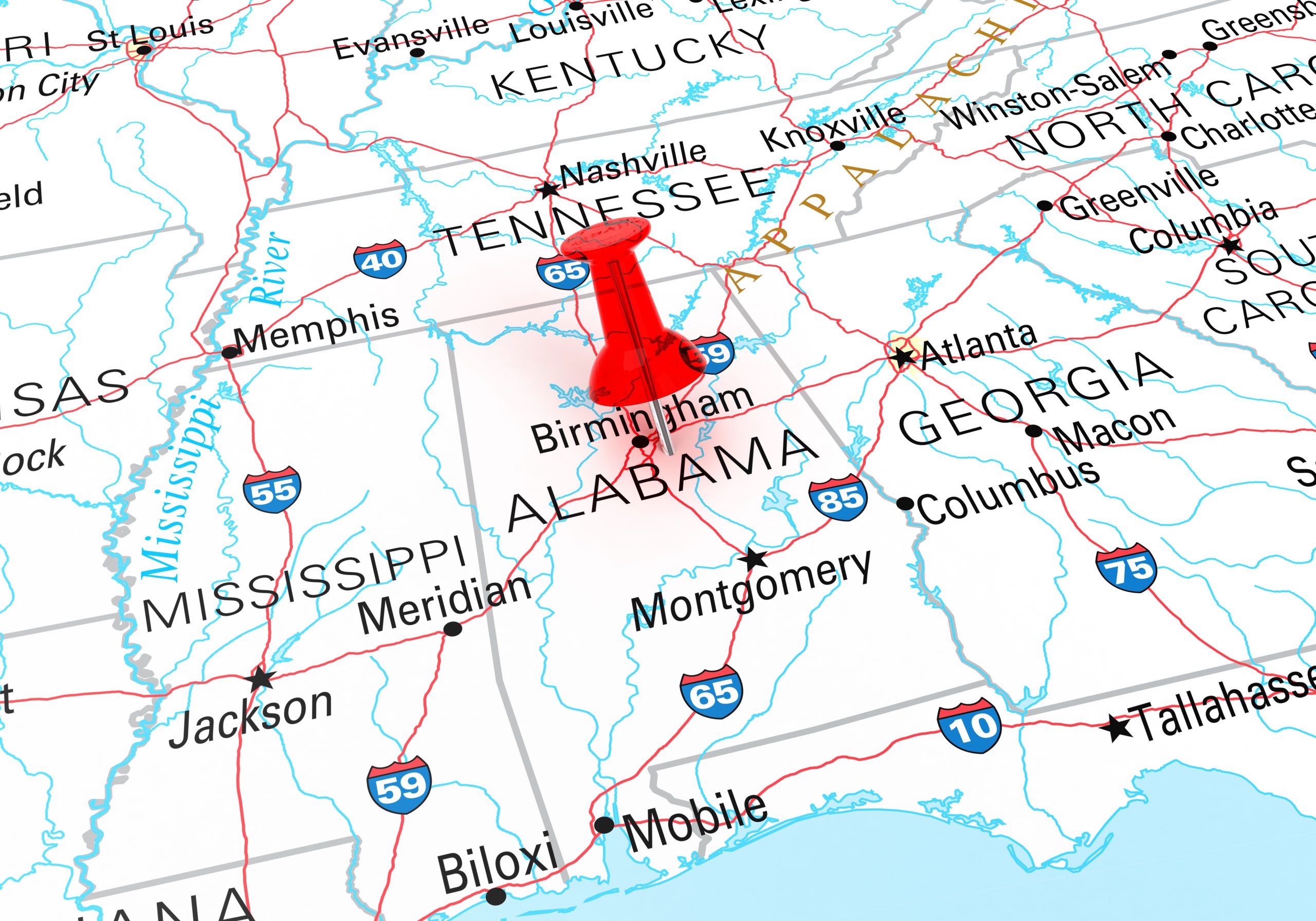
Examining where Alabama’s nursing apprentices live and how participation is distributed across communities throughout the state, providing a clearer picture of the geographic reach of the program.

Building the Education Infrastructure for Nursing Registered Apprenticeship
Examining how colleges, nursing programs, instructional locations, and employer partnerships create the education infrastructure supporting nursing registered apprenticeship.
The analysis will also examine whether apprenticeship is helping participating institutions accommodate additional students within existing instructional resources.